Green Delivery Solutions: Reducing Your Carbon Footprint
Implement sustainable delivery practices that benefit both planet and profit. Discover eco-friendly packaging, route optimization, and carbon offset strategies for Canadian businesses.

Climate change isn't coming—it's here. Canadian consumers increasingly demand environmental responsibility from businesses they support. 78% actively seek eco-friendly delivery options. 65% willingly pay premiums for sustainable shipping. Yet most businesses view green delivery as costly burden rather than competitive advantage.
The truth? Sustainable delivery practices often reduce costs while attracting conscious consumers. Let's explore practical approaches to green delivery that benefit both planet and profit.
Environmental Impact of Delivery Services
Understanding delivery's environmental footprint reveals optimization opportunities. Last-mile delivery generates 25% of urban transport emissions. E-commerce growth compounds this impact, with Canadian delivery vehicles traveling 2.1 billion kilometres annually.
The Hidden Carbon Cost
Beyond obvious vehicle emissions, delivery's environmental impact includes:
- Packaging waste: 165 billion packages shipped annually in North America
- Failed delivery attempts: Each retry doubles emissions
- Inefficient routing: Poor optimization increases mileage 30%
- Return shipments: Reverse logistics doubles transportation impact
- Warehouse energy: Fulfillment centres consume massive power
Traditional delivery models prove unsustainable. Growing environmental awareness and tightening regulations demand innovative solutions.
Consumer Pressure Mounting
Canadian consumers vote with wallets. Businesses ignoring sustainability face:
- Lost sales to eco-conscious competitors
- Negative brand perception among younger demographics
- Reduced customer loyalty as values misalign
- Regulatory penalties as governments act
Conversely, sustainable leaders capture market share, command premium prices, and build lasting loyalty.
Sustainable Packaging Options
Packaging represents the most visible environmental impact and easiest improvement opportunity:
Material Innovation
Biodegradable Options replace traditional plastics. Mushroom-based packaging decomposes within weeks. Seaweed-derived materials dissolve harmlessly. Cornstarch peanuts provide cushioning without environmental persistence.
Recycled Content reduces virgin material demand. Post-consumer recycled boxes cost competitively while demonstrating commitment. Recycled paper fill replaces bubble wrap effectively. Even tape made from recycled materials exists.
Minimalist Design eliminates unnecessary material. Right-sized packaging reduces both material use and shipping costs. Frustration-free packaging delights customers while saving resources. Every gram eliminated multiplies across thousands of shipments.
Reusable Systems
Forward-thinking businesses implement circular packaging:
- Returnable boxes for regular customers
- Deposit systems encouraging return
- Packaging doubling as product storage
- Durable materials surviving multiple cycles
A Toronto meal kit company's reusable container program eliminated 85% of packaging waste while reducing costs 20% after initial investment.
Smart Packaging Choices
Sustainability requires holistic thinking:
- Source materials locally reducing transportation
- Choose suppliers with environmental certifications
- Design for complete recyclability
- Eliminate mixed materials complicating recycling
- Include clear disposal instructions
Small changes compound. Switching packing tape saves minimal emissions per package but significant amounts annually.
Route Optimization for Fuel Efficiency
Smarter routing dramatically reduces environmental impact while cutting costs:
Advanced Algorithm Implementation
Modern route optimization considers multiple factors:
- Real-time traffic reducing idle time
- Elevation changes affecting fuel consumption
- Multi-stop sequencing minimizing distance
- Load optimization balancing vehicle trips
Properly implemented algorithms reduce mileage 15-25% with corresponding emission reductions.
Delivery Density Strategies
Clustering deliveries multiplies efficiency:
- Zone-based delivery days concentrate routes
- Customer delivery windows enabling optimization
- Incentives for flexible timing increasing density
- Micro-hub strategies reducing stem mileage
One Montreal retailer reduced delivery emissions 40% by implementing Tuesday/Thursday zone delivery with customer incentives for participation.
Dynamic Routing Adaptation
Static routes waste fuel. Dynamic systems adjust for:
- Real-time order flow
- Traffic conditions
- Weather impacts
- Driver availability
- Vehicle capacity
Continuous optimization ensures maximum efficiency throughout delivery operations.
Carbon Offset Programs
While reducing emissions remains primary, offsets address unavoidable impacts:
Understanding Offset Quality
Not all offsets equal. Quality programs feature:
- Third-party verification
- Additionality ensuring new impact
- Permanence guarantees
- Local projects where possible
- Transparent reporting
Canadian offset projects include reforestation, renewable energy, and methane capture. Local projects resonate more with customers than distant initiatives.
Integration Strategies
Successful offset programs integrate seamlessly:
- Automatic calculation at checkout
- Optional customer contribution
- Company matching programs
- Transparent impact reporting
- Regular project updates
A BC outdoor retailer's offset program achieved 73% customer participation through clear communication and optional pricing.
Beyond Traditional Offsets
Innovative approaches multiply impact:
- Urban tree planting in delivery areas
- Supporting cycling infrastructure
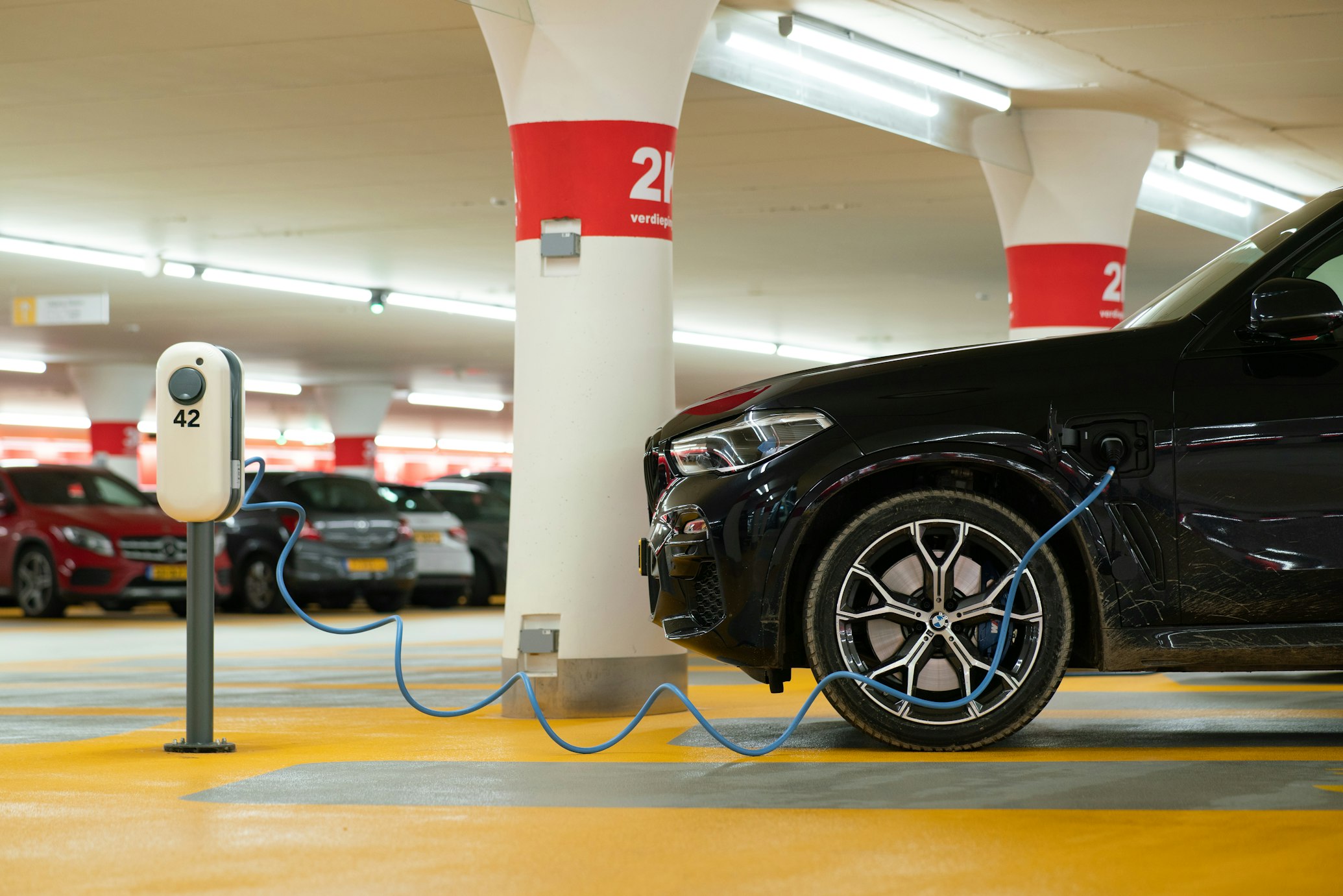
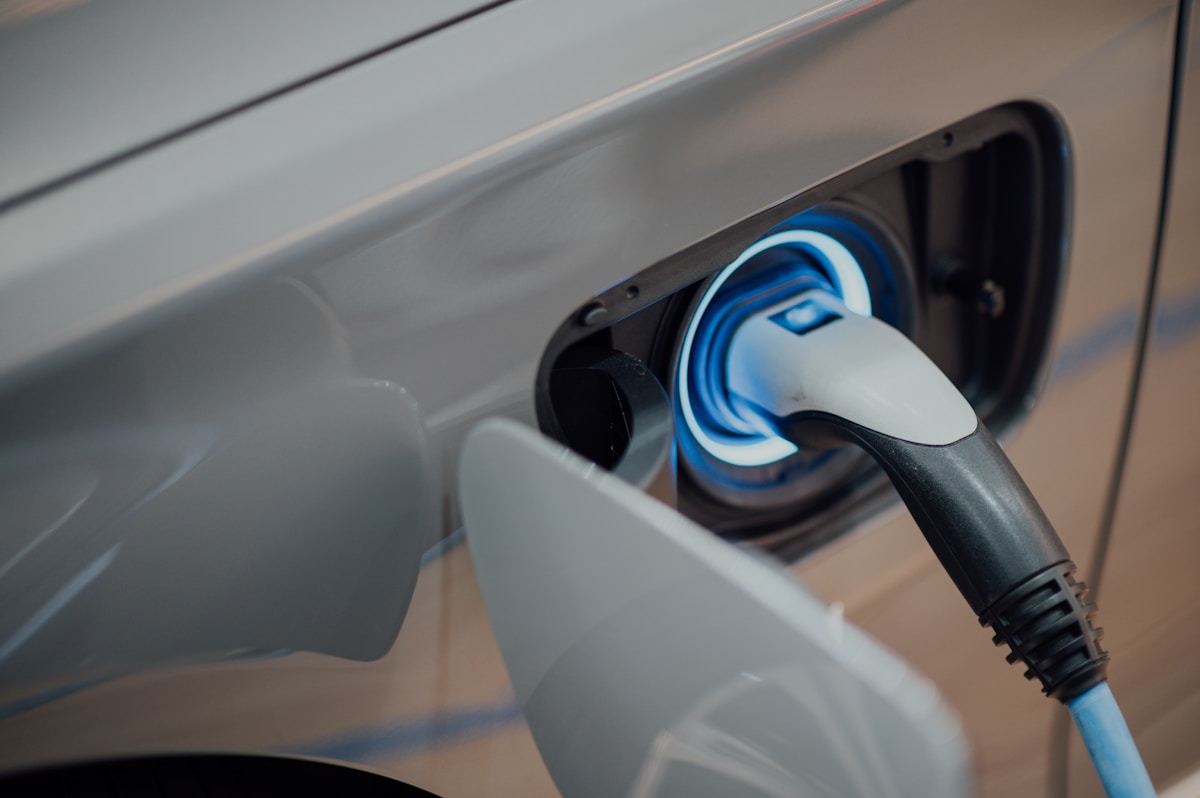
- Investing in electric vehicle charging
- Funding sustainable packaging research
These initiatives provide visible local impact while addressing root causes.
Electric Vehicle Adoption
Fleet electrification represents the future of sustainable delivery:
Current State Analysis
Electric delivery vehicles now offer:
- 300+ kilometre range sufficient for urban routes
- Lower total ownership costs over vehicle lifetime
- Minimal maintenance requirements
- Quiet operation enabling extended delivery hours
- Zero local emissions improving air quality
Canadian incentives make adoption increasingly attractive. Federal rebates reach $5,000 while provincial programs add more.
Implementation Roadmap
Successful electrification requires planning:
- Route Analysis: Identify routes suitable for current EV range
- Charging Infrastructure: Install depot charging capabilities
- Pilot Program: Test with 1-2 vehicles initially
- Driver Training: Ensure smooth transition
- Gradual Expansion: Scale based on success
Toronto's Porter Airlines cargo division achieved 60% fleet electrification within 18 months using this approach.
Overcoming Challenges
Common obstacles have solutions:
- Range anxiety: Careful route planning and backup vehicles
- Charging time: Overnight depot charging and rapid chargers
- Winter performance: Modern EVs handle Canadian winters effectively
- Initial costs: Incentives and fuel savings offset premium
Communicating Sustainability to Customers
Environmental efforts require effective communication for maximum impact:
Transparency Builds Trust
Share specific metrics not vague claims:
- "Each delivery saves 2.3 kg CO2 versus traditional shipping"
- "Our route optimization reduced emissions 31% this year"
- "Your order's packaging is 100% compostable"
Concrete numbers resonate more than generic "green" messaging.
Visual Impact Reporting
Make sustainability tangible through visualization:
- CO2 savings equivalents customers understand
- Progress bars showing company emission reductions
- Maps displaying local environmental projects
- Before/after photos of packaging improvements
Visual communication makes abstract concepts concrete and shareable.
Customer Participation
Involve customers in sustainability journey:
- Choice between speed and eco-friendly options
- Packaging return programs with rewards
- Carbon offset contribution options
- Feedback on sustainable initiatives
Active participation creates emotional investment and loyalty.
Future of Green Logistics
Emerging trends promise continued sustainability improvements:
Technology Innovations
Autonomous Electric Vehicles combine efficiency technologies. Self-driving enables 24/7 operation with optimal routing. Night delivery reduces congestion while using clean electricity.
Drone Delivery for lightweight items eliminates road transport entirely. While limited currently, expanding capabilities promise significant future impact.
AI-Powered Optimization continues improving. Machine learning identifies efficiency opportunities humans miss. Predictive systems prevent unnecessary trips through better planning.
Circular Economy Integration
Future delivery systems close loops completely:
- Delivery vehicles collect returns and recycling
- Packaging designed for infinite reuse
- Local micro-manufacturing reducing transportation
- Sharing economy models maximizing asset utilization
Regulatory Evolution
Governments increasingly mandate sustainability:
- Carbon pricing making green options economically superior
- Low-emission zones excluding polluting vehicles
- Extended producer responsibility for packaging
- Mandatory sustainability reporting
Early adopters gain competitive advantages as regulations tighten.
Green delivery has evolved from nice-to-have to business imperative. Environmental responsibility attracts customers, reduces costs, and ensures regulatory compliance. Most importantly, it's simply the right thing to do.
Start small with packaging improvements and route optimization. Build toward fleet electrification and comprehensive sustainability. Every step matters, compounding into significant impact.
The businesses thriving tomorrow act today. Will you lead the sustainable delivery revolution or watch competitors capture conscious consumers? The planet—and your profits—await your decision.